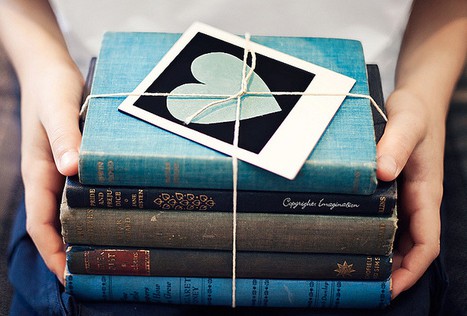
A Penny for Your Thoughts: The True Cost of Bargain Books

11200-Stack-Of-Books

I’m not often overtly political on my blog, but there have been several incidences recently that have inspired me to write about a few important facts and figures. These may surprise those who know little or nothing about publishing, but for all those who make assumptions, here is a reality check.

According to the Society of Authors and the Authors Licensing and Collecting Society, the average UK author earns 11,000 a year (You can read the full report HERE). Of course some earn much more but most earn a great deal less. Making a living from writing (or illustrating) requires creative thinking outside the box, and often one has to supplement income from books to keep the wolf from the door.

So how does it all work? Authors get paid royalties, which are a percentage of the book price which you may (or may not) earn from books sales, usually around 5-10% of the price, but very often less; most books are discounted in any case, and the royalty shrinks accordingly. In simple terms, you would expect to get between 50p and £1 for each hardback book sold (and less on a paperback). This is completely normal, and I have no complaints, although it’s often a shock to people.

Publishers recognise that it takes time to earn royalties, so an “advance” on these royalties is paid up front. Usually in sections: a third on signing the contract; a third on delivering the book; a third on publication. The timespan for receiving this money can be a year or more. An average advance for a picture book, both written and illustrated by one author, is usually between £5,000 to £10,000. And no royalties are due until the advance has been paid off. Which may never happen if the book fails to sell enough copies. It can certainly take time; the average picture book hardback print-run in the UK is less than 3,000 copies.

These figures are before tax, before expenses. Professional art materials are incredibly expensive. I spend around £4,000 a year on the basics. Then there is travel, research, all the costs the self employed has to manage, from pens and rubbers to expensive software, and any pension provision.

So you can see the need for continuing royalties, even if it’s only 50p per book.

What happens when books get discounted further? Subject to contractual terms, the royalty may shrink on cheaper books. So you end up getting a tiny % of an even smaller amount. We are talking pennies. Once upon a time there was a system called the Net Book Agreement, limiting the extent to which books could be discounted. But that was abandoned in favour of a “free market” years ago. The result? books can be reduced to next to nothing.

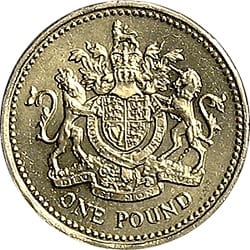
Now, we all like a bargain. I really, REALLY do. I’m sure you all take delight in those book catalogues, falling from the pages of your Sunday newspaper, especially in the run up to Christmas. It can solve all sorts of gift buying problems, and you can buy books for just £1! Perfect!
skimm-T3JpZ2luYWxQYXRoPS92YXIvd3d3L3Zob3N0cy9hbGFrYXphbS5jby51ay9odHRwZG9jcy91cGxvYWRzL3Byb2R1Y3Qvb3JpZ2luYWwvSW1hZ2UxMzY5OV80ZjhmZWI3MDJmZTdmLmpwZyZ3PTQ2MCZoPTQ2MCZIZWlnaHRNb2RlPXRydWUmc3Q9MTE=

Except, it it isn’t perfect. It’s a nightmare. Some discount catalogues sell off reduced stock that was over printed; that makes sense. But increasingly, publishers broker cold, hard, cynical deals with these people and then print to order. The publisher is complicit in the arrangement and sells books at extremely low prices (less than 50p per book) to the discount catalogue (but not at a loss to themselves) who then sell them on at a very nice profit – usually £1 per book. Tens of thousands of copies. And the author? I get less than 4p a book, while the discount company makes millions every year. Quite how books are produced this cheaply, I’m not sure – but I have been reassured by my publisher that they follow a code of ethics, and the printer, in China, isn’t a sweatshop. Perhaps a similar code of ethics needs to be applied to authors?

Some book contracts give authors a right to veto such deals, although very often publishers make the deals first and then inform you, too late, of the fait accompli. As for all the work, months and months of time, creating the book, writing, writing, writing, illustrating through the night to meet a deadline, then all the years of promoting and speaking at festivals (for no fee, usually), the blogging, the website (I have to pay for that too), the social media, the opening of libraries, the visits to bookshops, signings, readings… almost all for no payment, what is it for? I suppose I was always thinking of the “bigger picture”. Is this the reward – seeing big impersonal booksellers prosper as a result of my “investment”?

Oh, I know what you are going to say – “It’s such a great way to get books into the hands of children who wouldn’t otherwise have them!”. Well, firstly, isn’t that what libraries are for? If school libraries were compulsory, if book lending was regular, all children in education could have a rich experience of literature and art. In any case, if books to disadvantaged children is the issue, surely it is better to support a professional charitable organisation like The Book Trust who could (and do) get books to all children, starting with a book for every new born child. This I have supported myself with “Can You See a Little Bear?”, which yielded almost zero return for me and illustrator Jackie Morris, but likewise was not a profit making exercise for the company.

Publishers will say: “It’s great exposure – it really gets your name out there”. Oh? I thought it was me who had been doing that for a quarter of a century. Funny, it feels more like they are cashing in on my “bigger picture”.

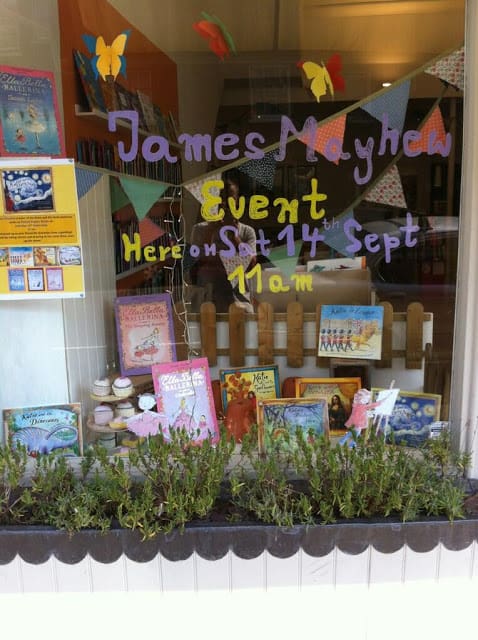
Then there are bookshops. There is nothing like browsing the shelves, discovering unexpected gems, losing yourself in the design, the illustrations… the feel of a beautifully produced book. But Independent booksellers face customers every day who photograph stock to buy later online, or from a cheap catalogue. I LOVE to support independent booksellers. They work so hard with promotional events, added extras, experience and knowledge. I have often been invited to sign books in shops, only to meet “Waitrose Mums” with armfuls of bargain books, not a penny spent in the shop. And independent sellers look somehow embarrassed, and are made to appear greedy. When all they are trying to do is sell a book at somewhere near a recommended retail price, so the author in question can afford to carry on creating, and bookshops can remain open.
BTUshK5IAAAoe2--2

How have we, as a civilisation, allowed books – those volumes of thoughts and dreams and wishes and hopes  and humour and art and fact; those books filled with the creativity of the world – to be symbolically reduced to throwaway ephemera. It breaks my heart. People pay more for a magazine, a trip to the cinema, a mid-morning latte… we spend a fortune at supermarkets, on all kinds of stuff, much of which is thrown away, as our filled-to-bursting bins demonstrate. And yet we expect to pay next to nothing for a book.

Next time a bargain book catalogue falls into your lap – please think twice before ordering. Yes, do think of the BIGGER PICTURE. What is the true cost here? A world without writers, dreamers, poets and artists? A society that has no real bookshops? A world where those with something to say, something to enlighten, inspire or educate or touch us, will no longer bother? Because no one wants to feel their work is next to worthless.

I think authors deserve more than pennies for their thoughts.

a-book-rubbish

Posted in

James Mayhew

James is the creator of the much-loved Katie and Ella Bella Ballerina series and has written or illustrated many other books, including Koshka’s Tales, Mouse & Mole (by Joyce Dunbar) and Gaspard the Fox (by Zeb Soanes). Alongside his work in publishing, James performs live on stage during concerts for children, combining live classical music, storytelling and art.

69 responses to “A Penny for Your Thoughts: The True Cost of Bargain Books”

  1. talldaughter avatar
    talldaughter

    Well said.

  2. Nicola Morgann avatar

    Excellent points, James. We badly need people to know about this.

    1. James Mayhew avatar

      Thank you Nicola. People have NO IDEA usually. Even school teachers are shocked when they see a book sale in school, an overflowing money tin, and a queue of people. They think we get ALL the money!

  3. Fiona Ingram (@FionaRobyn) avatar

    It breaks my heart to see books just lying on the ground! Great article and very informative.

    1. James Mayhew avatar

      I know, but that is the society we are creating, where books no longer matter…

  4. Claudia Myatt avatar

    Well said…. and it gets worse when you see ‘free’ books being offered for download online. ‘Free’ or ‘cheap’ has a high price somewhere down the line.

    1. James Mayhew avatar

      Exactly! it REALLY does! Someone always pays somewhere in the process.

    2. vweisfeld.com avatar
      vweisfeld.com

      It infuriates me (as an author) when people brag about getting books free or for$1. Just another case in which “trickle-down economics” does not work! What are they thinking? Would they countenance their intellectual output being so devalued?

      1. James Mayhew avatar

        I know, how has this psychology grown? That it is somehow an achievement to steal from creatives. Bargains seems to bring out the very worst kind of point scoring in people. BUT if all authors object to these deals, things will HAVE to change!

        1. Judy Astley avatar

          There is now a whole generation of younger people who don’t expect ever to pay for a film or for music. They stream or steal, it’s all the same to them – if they see a bigger picture about this the thinking is, well I’d pay but why should I when no-one else does. The same will soon apply to books. The thing with films is that the producers can get commercial input to pay for the content. Music and books – not so, though the most commercially hyped bands will of course tour and have merchandise. So that leaves books… I sometimes wonder why we bother but then I’m old now and it’s all I’ve done for the past 30 years!

  5. AnonAnon avatar
    AnonAnon

    Thank you for this excellent article. A sale of 5,000 books used to net this illustrator $5,000, 10k books $10k and so on. Those were glory days.The book selling market changed and big retailers demanded higher discounts from the publishers. It only takes change in the discount to the seller by one percent (50% to 49%, for example) for the author/illustrator’s share to fall by a decimal point. Not so hard on the publisher and secures the sale, but devastating to the creator. And that is the percentage on the selling price. “Net receipts” is a common model and impenetrable to analysis on the royalty statement.

    1. James Mayhew avatar

      Thanks for sharing your really interesting, if rather depressing, experiences. I think we can all relate to this. I am taking this matter up in the UK with the Society of Authors. Who knows, maybe, together we can encourage change…

      1. InnatePlethora avatar

        I sincerely hope that not only authors join together, but the general public too. There are a number of things which need to change in our world today, I would love for this to be one of the ones which does.

        1. James Mayhew avatar

          Well, I live in hope. unfortunately, these deals play to an author’s ego. Seeing yourself with other best sellers in such catalogues helps isolated and insecure writers (like me!!!) feel they have “made it”. Publishers know how to play with such insecurities. But no more for me, and I will try to get a proper campaign going.

  6. Nancy Palmer avatar

    Thanks for putting this so clearly.

    1. James Mayhew avatar

      You are very welcome… took me a while! SO much to say!!

  7. Sally Carter avatar
    Sally Carter

    What are your thoughts on second hand bookshops and places like Hay on Wye? Presumably you get nothing from these sales.

    1. James Mayhew avatar

      A good question. You are correct, authors get nothing from second hand sales – except a certain satisfaction. Second hand bookshops have existed for years without troubling the publishing industry, and they are a great way for those who feel they can’t afford books to start a collection. Also, it’s great to find out of print titles. My complaint is big bullying companies making HUGE profits (I mean millions every year!) at the expense of the creators. Second hand bookshops are a different thing entirely; they do not cynically print 10,000 copies to sell, making it impossible for anyone else to sell a copy. Personally, I love to think of my books being in second hand bookshops and going on to a second life 🙂

  8. Melanie avatar

    Though a librarian and therefore a fervent supporter of libraries, I have to say there is a big difference between book borrowing and book ownership, something Booktrust have done so me research on, if I am not mistaken, to measure the impact of their bookgifting schemes. However, as it has been said before, discounted books don’t necessarily make it into the hands of children from modest backgrounds, so I am not sure that is a relevant argument. If publishers want to support getting books into the right hands, then as you rightly pointed out James, why not support Booktrust?

    I won’t lie, I have used *that* catalogue. I used them regularly when my children were little as I refused to put tat in their birthday party bags so each child would get a book. Not to defend myself in anyway, I always thought that the publisher, rather than the author/illustrator, was taking the cut 🙁

    There is a huge issue of waste that goes with all this as well, because though you are getting a “bargain”, there is always at least one book you don’t really want, or you already have. If I am not mistaken, the first thing Daunt did when he took over Waterstones was to get rid of 3 for 2 because most people never read their third choice (though don’t quote me as I can’t remember the source!).

    1. James Mayhew avatar

      Thank you Melanie. I agree, ownership of a book is very special – and if you fall in love with a book, to cherry pick those you MUST have, then I’d like to think children especially can get hold of them. But this isn’t about discounting full stop, it is about degrees of it, and who profits, and I think the balance is wrong. Thanks also for your honesty; I, too, have used that catalogue before being enlightened by a royalty statement! And I totally agree about the waste…

      1. Melanie avatar

        I agree, but unfortunately I think this is a cultural thing, which has been exacerbated by the demise of the net book agreement. I am not sure people (in the most general sense) *value* books as much here as they do in other countries. I am not saying France is perfect, believe me, but that’s all I know so what I can compare it to: there, 5% is the maximum you can discount a book, whether you are the big A, a small independent shop or a supermarket. This means parity for every one. This also means that supermarkets have their own huge book departments. But the other thing is, to be a bookseller, you need to have trained as a bookseller (there are different levels of training, from apprenticeship to masters). It is part of “les métiers du livre” (the “book profession” – publisher, bookseller, librarian). That means that even in those huge supermarket bookshops, there will be a ‘professional’ book person. I think it shows a different ‘cultural’ commitment to books in general. I am not Britain-bashing by any means, but I do think the over-discounting is only the tip of the iceberg :(, so good for you for taking a stand and bringing out in the open.

        1. James Mayhew avatar

          I completely agree!

  9. paul1959 avatar
    paul1959

    Thank you, James, for summarising a situation which has developed over the years: it seems to channel the profits towards the Distributors rather than the “Creators” who put in the hard slog in draughty garrets etc …
    My main gripe is the way we’re being “Tesco-fied”. Supermarkets were originally a great idea, when they sold FOOD. Now they are also Electrical retailers, Chandlers, Banks, Petrol stations, Travel agents, Clothing and Shoe shops, Bookshops …. while all the ‘Specialist’ shops are disappearing. When they have no competition left, of course, the Supermarkets will be in a position to charge whatever they like for the goods they can be bothered to stock (including BOOKS) because the customer won’t be ABLE to buy them anywhere else … 🙁

    1. James Mayhew avatar

      Thanks for commenting Paul. I completely agree about being Tesco-fied – and people blindly go for cheap convenience, oblivious of the true cost. I’m afraid human beings can be very selfish sometimes, and these big retailers prey upon that very worst parts of our psychology.

  10. Michelle Robinson avatar

    Great post, James, really well stated. By and large PB authors (as opposed illustrators) get smaller advances than that, too. Can’t possibly make a reasonable living unless you have a lot of books on the go and they’re all selling through decent channels. Good job most of us PB creators are good at dreaming or we’d all come unstuck pretty fast!

    1. James Mayhew avatar

      Thanks Michelle! And yes, PB authors get very very small advances (publishers recognising that illustrating takes substantially longer I suppose). There is so much more I could say – but I wanted to keep the post reasonably short!!!

  11. Great Big Jar avatar

    Thanks for this James. I struggle to convey to people who ask that we don’t all make the ‘JKR’ amounts when a book is published. The buying public’s understanding of the publishing demographic needs to change, they don’t realise the effort made is never fully recompensed.

    1. James Mayhew avatar

      Very true! The world needs to be educated on the reality!

  12. Erica avatar

    An excellent post, I hope people take note.

  13. Sarah Duncan avatar

    The bigger the print run, the bigger print machines can be used, and the cheaper the overall cost. So, they get an order in for say 20,000 from a supermarket or book club – but have to give them a 75%- 95% discount. This just about covers the costs of printing so no one (publisher or author) makes a profit from it.

    But – and this is the point of the exercise – they can add on another 2,000 to the print run for practically no extra cost. They sell these 2,000 books at the usual discounts (50% being standard) and that’s where the profit is made.

    Not saying it’s a good idea, as I agree with you that it devalues books, but that’s why they do it.

    1. Elizabeth avatar
      Elizabeth

      Interesting you say that 50% is the usual discount. When I ran a small book party enterprise (just me and my trusty motorbike) selling children’s books to young mums, I only ever got 35%.

      1. James Mayhew avatar

        Discounts to booksellers do vary. 35% is not uncommon. But it’s way better than the 7% (or less) the author gets!!!

        1. Sarah Duncan avatar

          When I was a publisher (a million years ago admittedly), ‘usual terms’ meant 50% for multiple copies, 35% single copy/single line orders, postage paid by publisher. But that’s to bookshops. Obviously, any publisher can set their own terms aka what they can get away with!

  14. Kathryn Evans avatar
    Kathryn Evans

    Oh my gosh – I had no idea!

  15. Judy Astley avatar

    I have frequently met people who say they’ve read all my books – they’d got them from charity shops. I try to smile.. after all, you can’t argue with ‘charidee’, can you? Except.. as with not wanting to pay for music, too many people prefer books for nothing or for a few pennies and don’t think of the implications for authors. I’d like to see charity shops that stock more than, say, 500 books, pay into a licensing system linked to PLR. After all, it works with music – every shop that plays so much as a little radio will have a PRS sticker in its window to show it has the relevant licence. The admin might well be colossal or it might be quite simple. If music can do it, so could the book business, I’d have thought.

    1. James Mayhew avatar

      Interesting idea – I am going to raise all this with the Society of Authors.

    2. Dan Purdue avatar

      Judy’s idea really seems like a sensible (and hopefully realistic?) solution. Even if it was just a token amount, it would be better than nothing.

      Great post, James.

      1. James Mayhew avatar

        Absolutely! I will follow it up for sure. Thanks for commenting 🙂

    3. James Mayhew avatar

      Great idea, one I will put to the Society of Authors, thank you!

  16. Glen R Stansfield avatar
    Glen R Stansfield

    Excellent, well-written article and what I have been saying since I started, support your authors or lose them forever.

  17. katekatelacecouk avatar

    Hear, hear. Bargain books are a REAL problem for authors and don’t get me started on free downloads form pirate sites. Where do people who buy such books think the the content is going to come from if all the creatives starve – which we well might if the trend continues?

  18. James Stone avatar

    Really hits home! At Xmas it’s cheaper to buy a Xmas themed book than Xmas card to send each other which we do!

  19. Helen avatar
    Helen

    Well said

  20. An ex-author avatar
    An ex-author

    Heavily discounted sales to bookclubs don’t help authors, but neither do publishers. My UK publisher sold a entire print run of one of my books to their parent company in the USA at a heavily discounted price. Had it been published in the States I would have received the usual percentage of the cover price, instead I received pennies.

  21. David Jenkins avatar
    David Jenkins

    Have you considered having a backward gander thru the looking glass — so, rather than Canute-ing it and expecting people to pay for books when they really don’t have to, we instead look to something an Unconditional Basic Income. Ideally that would mean authors – prospective and otherwise – would be paid by the state (how much is an open question, but the benchmark is enough to be able refuse ‘lousy’ work, i.e. enough to feed, clothe and participate in society (again, abstract and general i know) so that your work would still find its way onto independent book-owners’ shelves, but you’d also not have to worry about exhorting people to shell out money when they know the same book is available at a fraction of the price on that there internet… The infinite and costless reproducibility of books is a fact we have to live with (i would argue) and it is about building certain supports for authors to continue to produce work in light of those facts…

    just my 2 cents.

    1. James Mayhew avatar

      Thanks for your really thoughtful comment – I like the idea of turning things on their head here. Although, upholding such a scheme would depend on successive governments; PLR, for instance, is constantly under threat. Also, I don’t think the reproducibility of books is exactly costless – it just means badly paid workers in Chinese sweatshops, and the continued rape of forests. Better, I’d have thought, to print fewer books, spare a few trees, charge a *bit* more, so authors are happier, but still have an affordable product. Instead of 10 books for a tenner, why not 3 books for a tenner? Still a bargain, frankly. In other words, I’m not saying NEVER discount, I’m really talking about degrees. It’s tricky though – because Pandora’s pricing box has been opened. But I’ll see what the Society of Authors think – I’m on the Children’s Writers’ and Illustrators’ committee and they are following this up under their Fair Terms campaign.

    2. Elizabeth avatar
      Elizabeth

      I couldn’t agree more about the Universal Basic Income. Though I also think that the current belief held by too many that creative people will just go on creating regardless of the return is a very weird one. That’s why copyright was originally introduced to protect creative people. What has changed?

      1. Nigel avatar
        Nigel

        The trouble with any government-funded scheme is that it’s the tax payers who actually fund it – and they won’t like that.

        What I would propose instead is an arts foundation funded by the mega-successful (the JK Rowlings, Paul McCartneys, Madonnas and so on) contributing a substantial proportion of their excess income (how much money does a person need anyway?). This would then be redistributed by means of a grant, to the struggling artists, writers and musicians who are otherwise unable to support themselves through their work.
        In order to qualify for the grant, you would have to submit samples of your work for evaluation, and this would screen out all the talentless wannabes who are only looking for a free ride anyway.
        The grant would be for three years initially, renewable in further three year chunks to those who can show that their work is still worthy of support. Then, when you really hit the big time, it’s your turn to contribute to the foundation.

        I know this isn’t a perfect solution, but who knows? Maybe someone will take the basic idea and run with it. Please feel free…

  22. Voinks avatar

    Excellent article and some interesting responses. I particularly like Melanie’s comment about the system in France.Unfortunately it’s not the writers and authors that need the information- it’s the public at large. Good Luck with that one. 😀

  23. Charlotte avatar

    Losing the NBA was a tragedy for the industry. I remember arguing with my uncle, who would not accept that the control of the market was essential to knowledge publishing and allowing authors and publishers to flourish. I worked in bookselling for many years, for very low pay. The cost of a book supported so many in the team of people who got it for the authors head to the hands of the reader. Look what has happened to our booksellers over the last 30 years, where have they gone? They are being closely followed by librarians, and all for a short term buck.

  24. andrewmackey@hotmail.com avatar
    andrewmackey@hotmail.com

    The most discouraging thing I have noticed is that most books appear soon after publication, new on Amazon for 1p. Let me repeat, new for 1p. Even those that aren’t new are quickly available ‘as new’ for that price or near it.

    It used to be fine to have quaint second hand book shops in towns dotted here and there, we all loved them, but now we have extremely cheap and second hand books available to buy in everyone’s living room, and every published book is available.

    Amazon is the world’s biggest 2nd hand book shop. There should be a minimum price for all books sold on Amazon and at least a token amount should go to the author (even for 2nd hand books). Otherwise writing itself will become nothing more than an act of love or madness.

    Andrew

    1. James Mayhew avatar

      I agree… although the 1p thing is misleading as these offers often have much higher postage costs to balance out. But I agree, there should be limits to such things!

  25. P F Jeffery avatar

    I think that the problem is a wider one. As far as I can make out, there is very little payment for most creative people. An actor visited me a few nights ago and complained about his tiny income; he wasn’t being greedy, but he’d have liked a living wage. I had some difficulty in persuading him that much the same applies to authors. Most musicians also struggle to make a living. A singer I admire (and whose CDs I’ve bought at full price) posted on Facebook her chagrin when a supplier failed to deliver her CDs. She was in the midst of a European tour, her only income for which derived from the sale of merchandise after each performance. Without the CDs, she performed without payment. She, of course, still needed to pay her expenses and thus made a loss. In effect, she paid the audience.

    1. James Mayhew avatar

      I completely agree, and I was tempted to pull in other examples – I have so much to say! – but I was worried the post would be too long and no-one would bother reading it. As an artist/painter I am so often asked to do things for nothing (“for the exposure”!!); the musical concerts I work on hang by a thread, and I personally make a loss. I think all creative industries are under appreciated and the finances skewed. Everyone seems to think that if you write a kid’s book, you are in the JK Rowling bracket. Likewise with actors and musicians – people assume it is all glamour and success. But it’s not.

  26. Nicky Wells avatar

    Absolutely brilliant piece, thank you, James. If only people understood better. That whole “I’ll spend £3.50 on a Low Fat Thai Chi Moccachino Latte with extra sprinkles but I won’t pay £3.50 for a full price e-book” mentality has been frustrating me forever.

    Well said. Here’s good luck to you and all of us that fortunes may change. Write on! #EternalOptimist

    1. James Mayhew avatar

      Thank you Nicky, and here’s hoping that by raising this with the Society of Authors things can change!

  27. Jade Zienkiewicz avatar

    Interesting blog James. Thanks for citing the research re authors earnings. Incase you are interested, you can see the rest of the report (What are Words Worth Now? and also Further Findings) here: http://www.alcs.co.uk/Resources/Research.

    Best wishes,
    Jade

    1. James Mayhew avatar

      Thank you Jade, I will revise the blog and incorporate your interesting research!

  28. Anne Rooney avatar

    Well said, James. So few people realise that we get very little for the time we put in. I rarely get more than about 20p per copy and often far less. I write a lot of flat-fee books, and frankly an advance is effectively a flat-fee in most cases. I also write for one small publisher for zero advance. OK I get paid as soon as books sell, but it’s a gamble as they can discount and I get no say in it.

  29. John avatar

    Excellent post James, these are my thoughts exactly. My income has plummeted since returning to the West, if it wasn’t for occasional commissions from Japan, a country which doesn’t discount books, I don’t know how I’d survive. I wasn’t in this country when that change in the law regarding discounting was passed, I don’t understand how it managed to get through. There needs to be a powerful, consistent and noisy campaign to change this.

  30. Lesley Cookman avatar

    Thank you for this piece, which I shall share, with your permission. I am a writer, all four of my grown up children are musicians – and one of them, poor soul, is a poet. I only make a living because I am now mortgage free. One of the previous suggestions said “then, when you make it big” assuming that would happen. No, it doesn’t. I still sell, but make it big? I think not!

  31. miriam obrey avatar

    I had no idea, James, of the extent of this but will think carefully about where I buy my books, that are not ebooks (I do have most of my books in electronic form as I travel a lot) and will now buy second hand rather than discounted whenever I can. Thank you for bringing this to my attention.

    1. Elizabeth Bentley avatar
      Elizabeth Bentley

      You do rewalise that buying secondhand means nothing goes to the author?

  32. Alette Tibble avatar

    I am with Miriam.. I would rather buy a second hand book or pass on my books to my younger siblings. Now that you have enlightened me with this knowledge which I was completely unaware of before I coming across your post, I will make sure not to bargain on books. Thanks James, that was really thoughtful of you to bring up this matter.

  33. Brenda Woodford avatar

    Thank you James. I don’t buy books from the catalogues for the reasons you have stated. I feel the author should own the rights to the book created not as it seems the publisher. As the owner with his protected rights the author should have a percentage of the millions earned from the sale of the book.
    Our family are book lovers (and me a wannabe writer with one little book struggling amongst the millions on Amazon)
    At first, being a book person, I disliked ereaders, and was slow in buying one but since doing so I have been able to buy and read hundreds of books that I could never previously afford. Sadly, an ereaders does not come close to being suitable for a children’s picture book. Which need to be seen and held, pages turned and illustrations close to in all their glory.
    We could never afford to buy books for our children, except on special occasions, and all my books had to come from the library. I used to wander around Heffers in Cambridge, longing to buy some books. A secret ache for bookshelves like those I saw in windows of some Cambridge houses.
    I always believed that publishing was/ is an elite profession and never understood why books were so expensive. If they produced them for less I’m sure there would have been more readers. And books can be produced more cheaply as you mentioned yourself.
    I feel very strongly that authors have been mistreated for centuries.
    I would like to see a tv programme devoted solely to books. New books, e-books, printing, publishing, historical documentaries. Authors, adverts, interviews. If I were young enough I’d start one! ?
    I wish you well in your meeting with the Society of Authours. I know the work, energy and endless hours you put into your creations. It is sad when they are treated as ten a penny.
    Fortunately, I can now go into a bookstore and buy a book of my choice. I also know some of the authors, who have shared similar grievances.
    It is time for the authour to be recognised.

  34. Daisydown avatar

    And James, wouldn’t it be a bonus if I could spell, ‘author’ !

  35. Hilary Hawkes avatar
    Hilary Hawkes

    Thank you for saying all that, James. Well said.

Leave a Reply

Your email address will not be published. Required fields are marked *

Latest Posts

Black Dogs & Grey Wolves!
A Symphony Of Stories
A09F6610-AC82-4E01-BE93-6734D74974BD
The Frog’s Kiss
A733A39F-7C38-47E0-9405-FBC7D256D27F
Pictures at an Exhibition with RSNO

Events